
Waterfall formation is fascinating and finding local waterfalls in the heat is a fun adventure. Exploring waterfalls allows for the discovery of different plants, trees, insects, birds, and other peculiar animals in the area. California in itself has many amazing trails to visit that lead to unique water ways. The water formation within mountains is particularly unique because it forms from fresh water sources and leads to interesting creeks.
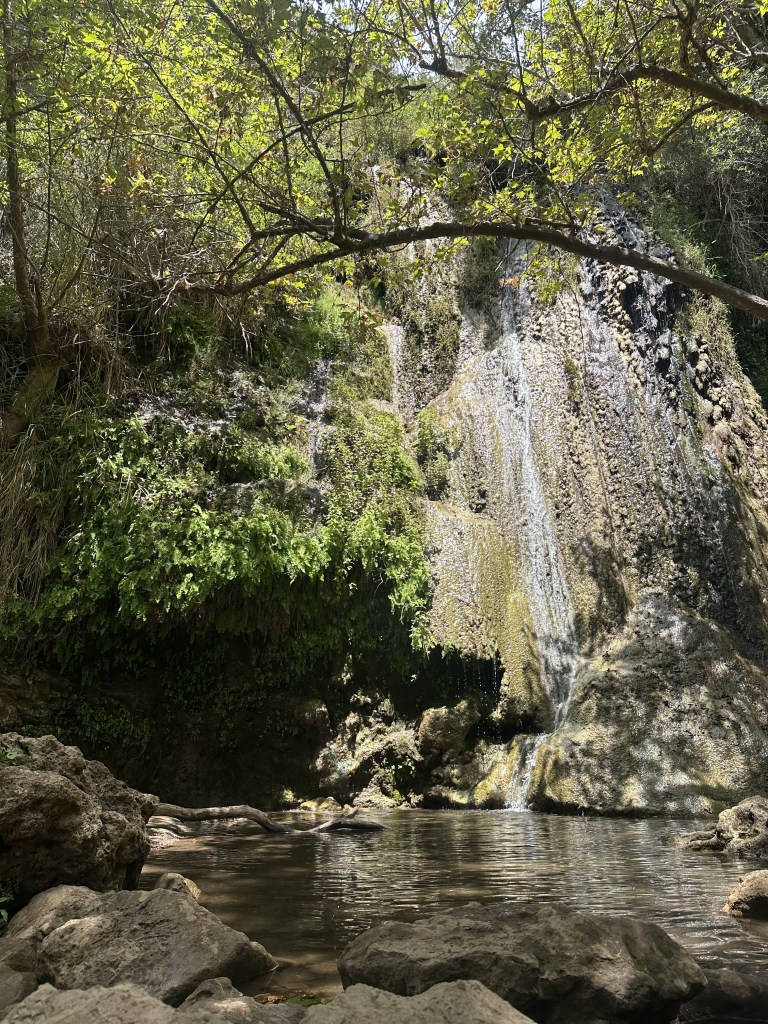
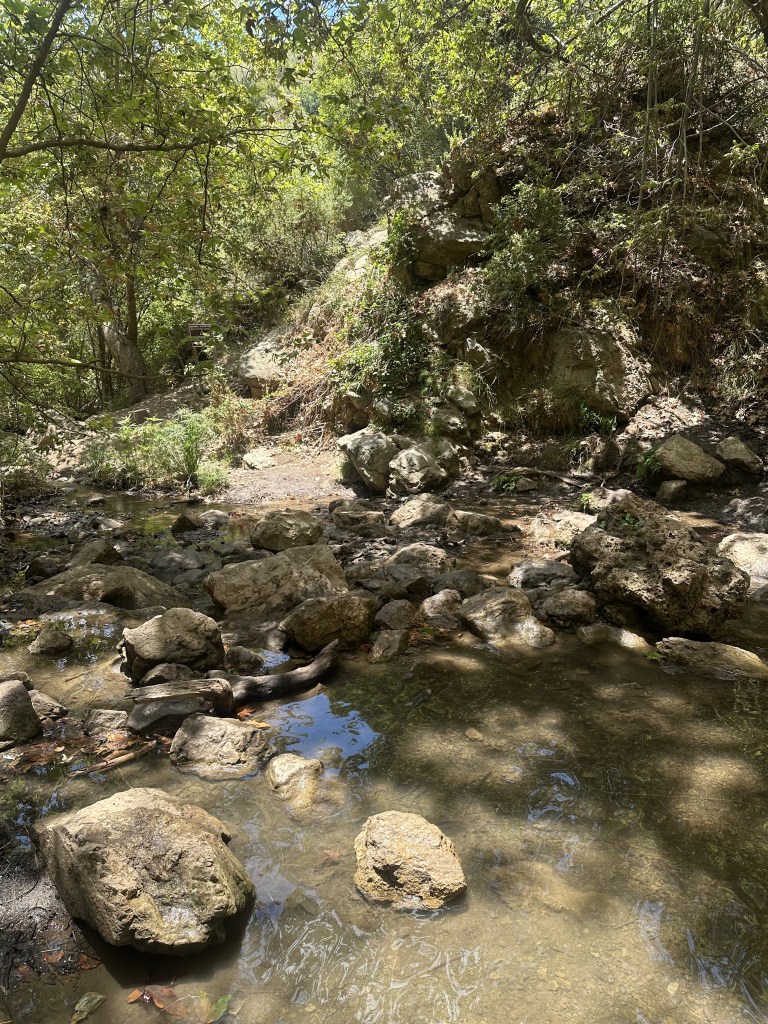
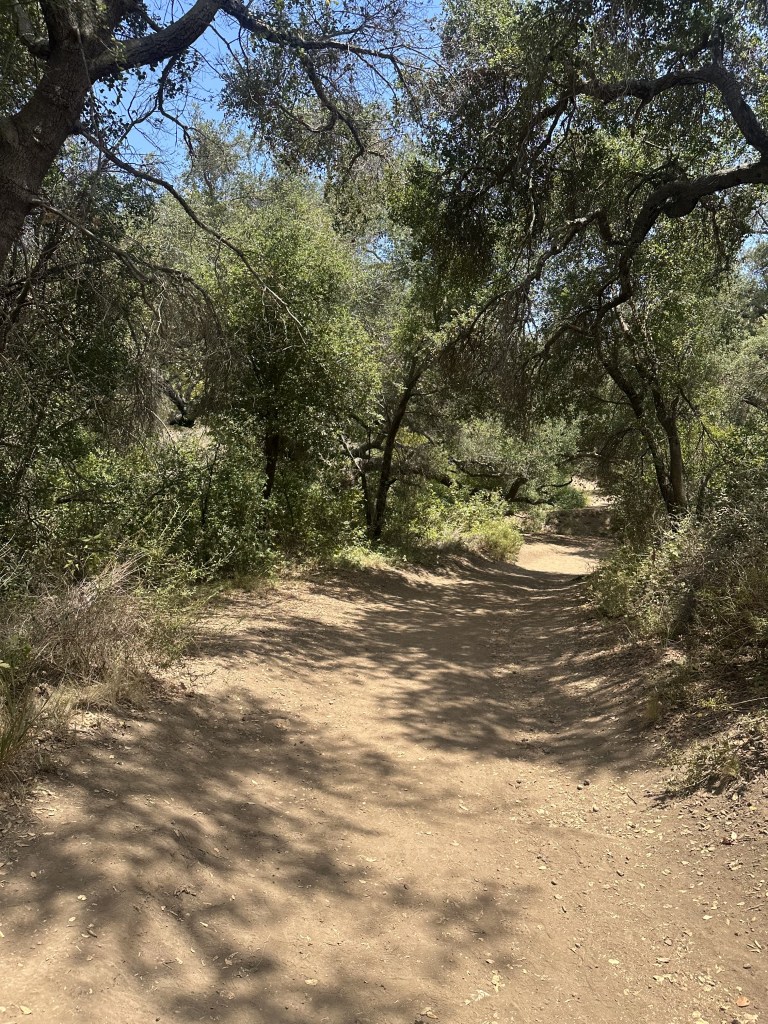
The Santa Monica mountains have a variety of trails and I visited a particular one that led to a waterfall that could be walked through, a must. The Santa Monica mountains are preserved well, and have a distinct historical preservation with the native Chumash. Discovering water ways is access to how ancient communities lived, and offers depth of how people survived on the land for centuries.
The preservation of waterways is important and controlling the levels of pollution within and around the creeks. A community cannot survive without water, therefore learning how people prevent contamination and prepare it for multiple purposes is interesting. Monitoring the water safety utilizes chemical techniques such as measuring the pH and observing various microbes , this tells great depth about the quality of the water. The Escondido Falls is an independent water way that is formed because of shifts in the natural mountain formation. Over centuries, the plates in the mountain shift and hard rain water causes the formation of creeks and waterfalls. At Escondido Falls, there are high waters after it rains and low water in the dry season, I saw the creek in dry season. The creek is part of the Southern California coastal region. The waterfall forms from rocky formations through which streams and heavy waters have created the pathways.
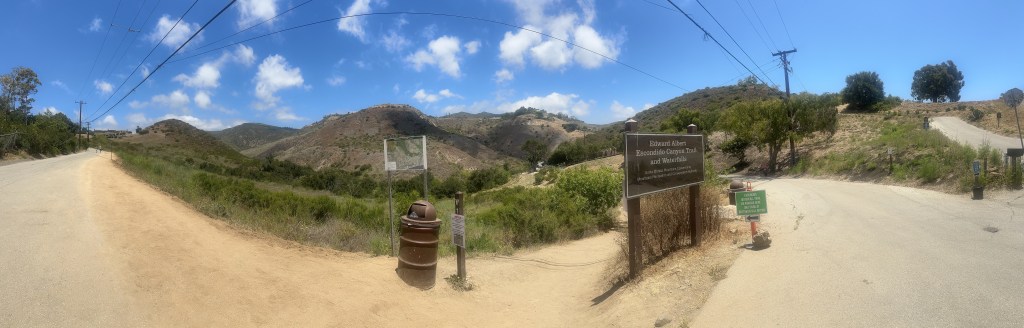
Waterfalls can be identified based on how the water is falling. The falls can be chute, forming from narrow passages and creating great velocity because of the pressure. Cataract waterfalls form from wide rivers. Cascade waterfalls descend over several series of rocks, which is what the formation of the upper Escondido Falls looks like. Waterfalls are also an excellent source of renewable energy. They can be utilized to generate electricity and is a consistent reliable source.
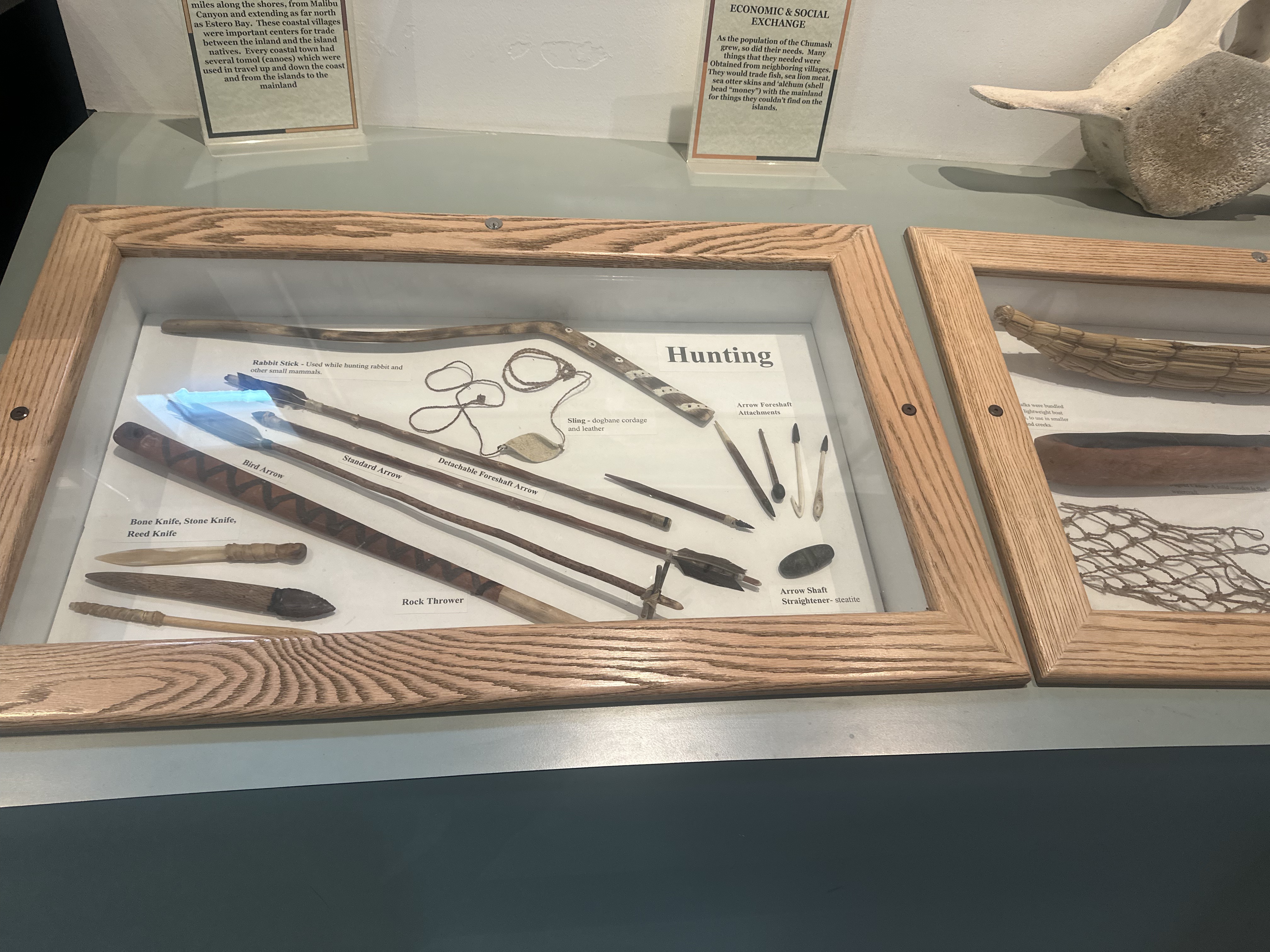
The Chumash were also an essential part of the exploration of the Santa Monica mountains because of the rich history that they have in the region. The Chumash have been center part of the Saint Ynez and Malibu Mountains for over 13,000 years, and the way of living is displayed throughout several local museums and cultural centers. Chumash being near the water, they popularly made canoes and used beads as a form of currency. There also is display of how the people lived tents, the baskets they weaved, and the animals they cared for.
The exploration of waterways and cultural connections can lead to deep learning. And the content covers not just biology, but history too. The ideas can be utilized in Chemistry, with the discovery of the chemical balance in the waterways, lessons I’ve done with students on multiple occasions. Physics could measure the rate and angles of the water falling. Biology lessons within outdoor exploration are infinite. Please email or leave a comment with your feedback and ideas about interdisciplinary lessons.


Leave a Reply