Differences between elements, mixtures and compounds can be confusing and complex. Students are often confused with the differences in mixtures and the representation of small atoms. Creating a visual is one aspect to help describe anatomical structures of atoms and compounds, the other is relating it to real world career opportunities and the environment.
Prior to teaching students about the periodic table it is great to begin to discuss where we commonly see elements. Most of the elements of the periodic table are metals and therefore they are a great reference for students. The use of alloy metals is great for explaining mixtures of metals as compounds and the many advances that alloys have in technology. This can also be a great pathway to understand elements, mixtures and compounds.
In this lab about elements mixtures and compounds students completed a small background reading about alloys, and watched a few video clips about alloys. Students were then presented with an activity to identify distinct differences between the structures of the three.
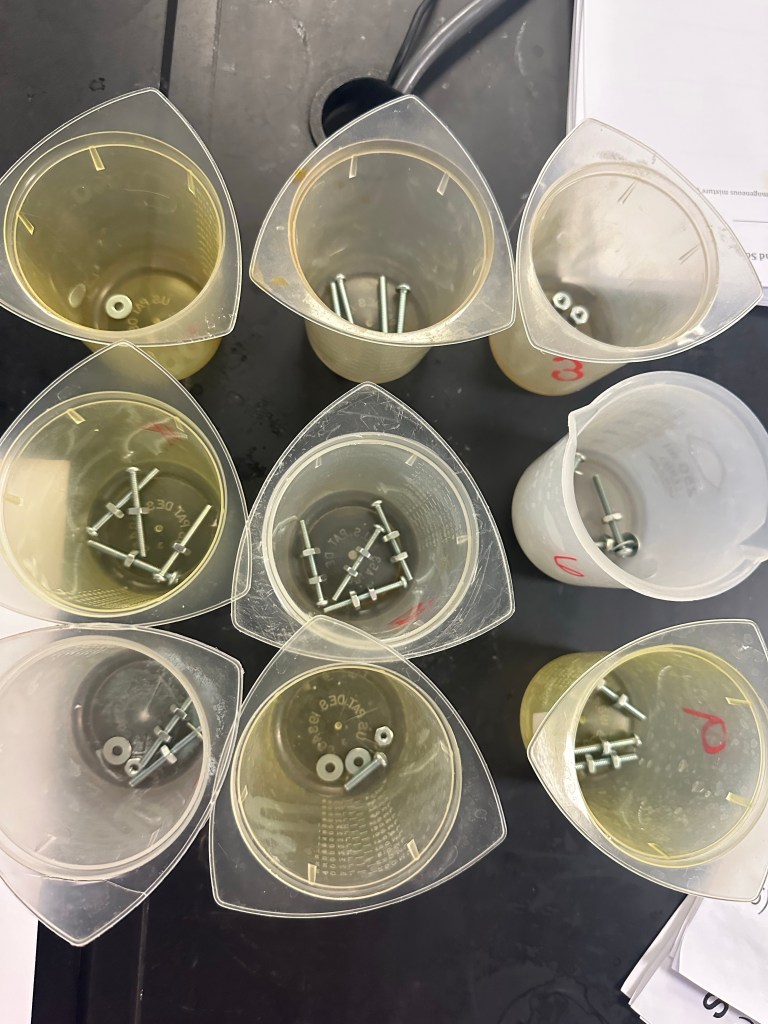
The students were informed of the differences between the nuts and bolts. Making distinctions between the shapes and sizes of the objects. The students then filled out a table identifying the combinations classification. The students then did the same with chemicals and elements that they are familiar with.
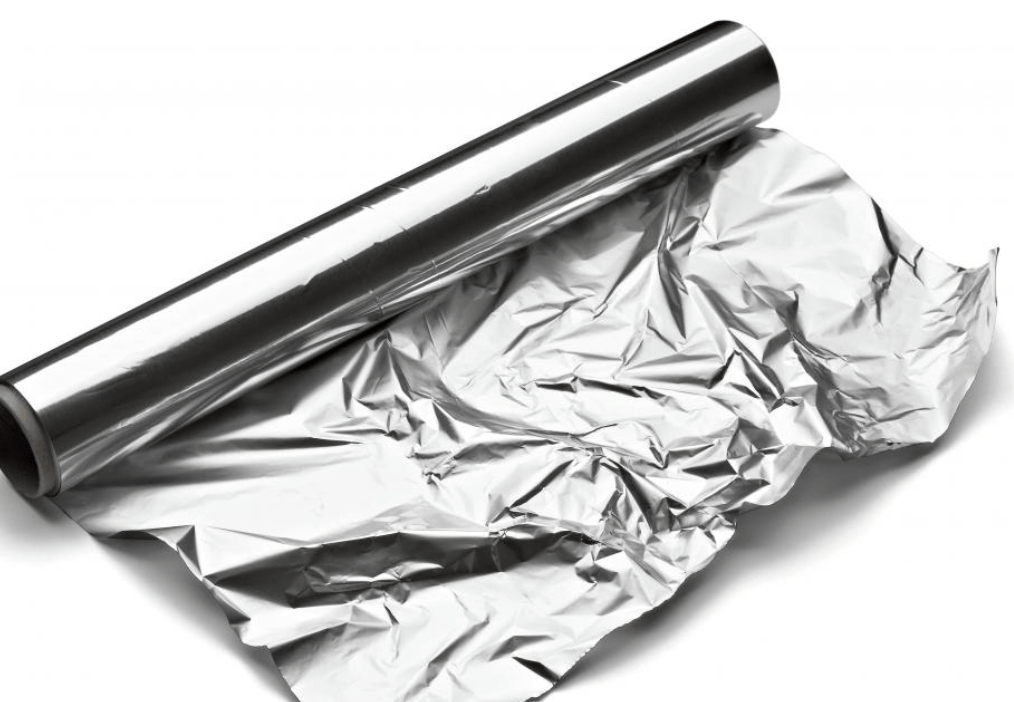
Students then were given aluminum, iron, water, sugar, salt, salt water solution, sprite, and sugar vinegar mix (a little different mix). The formulas of each compound was also provided for the students. The students filled out the other column of the table identifying the substances classification.
 Chemistry With Brandy
Leave a comment